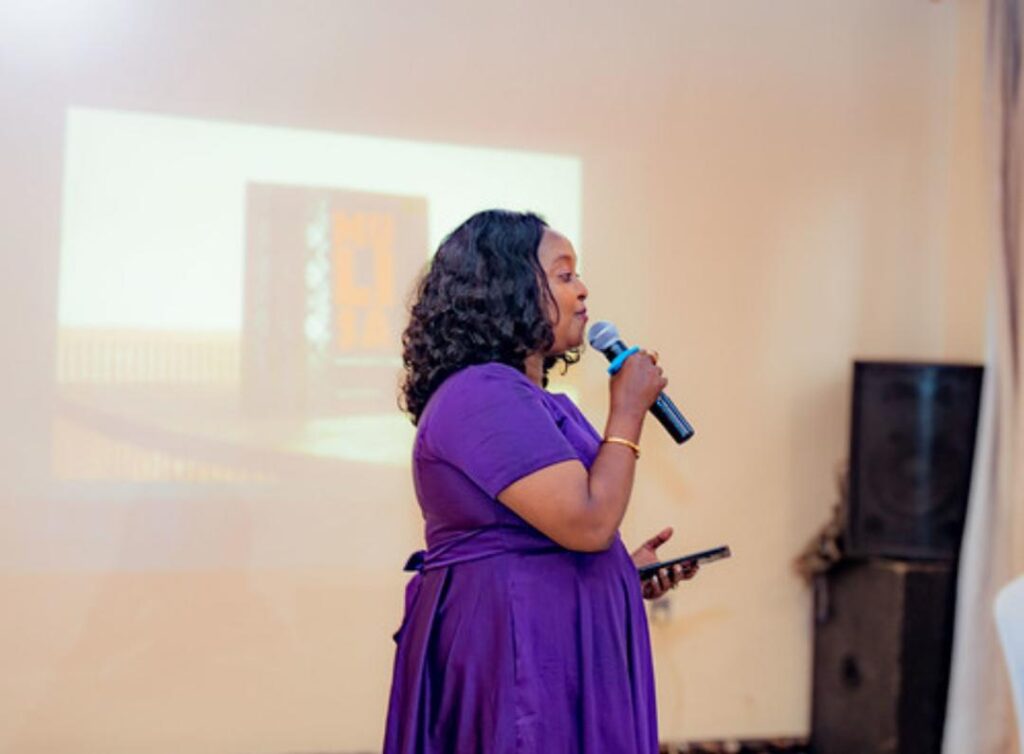
Rwanda’s literary scene has welcomed a compelling new addition with the release of Mulisa: From Exile to Legacy, a historical novel by Gasana Mutesi that offers a deeply personal lens into the country’s journey from displacement to reconstruction.
At a time when storytelling continues to shape national memory, Mulisa stands out as a powerful narrative that blends individual experience with Rwanda’s broader history. It tells the story of a boy born in exile, whose understanding of home is formed through stories rather than lived experience—until he returns to a country emerging from one of the darkest chapters in its history.
A Childhood Shaped by Exile
Mulisa’s early life unfolds beyond Rwanda’s borders, where the idea of home exists more in imagination than reality. Like many children of exile, his identity is shaped by stories told by elders—stories of belonging, loss, and a homeland waiting to be rediscovered.
His eventual return comes in the aftermath of the 1994 Genocide against the Tutsi, a period that fundamentally reshaped Rwanda’s social and national fabric. Through his eyes, readers encounter a nation rebuilding itself—not only through infrastructure, but through the more complex processes of emotional recovery and social healing.
Growing Within a Nation Rebuilding Itself
Rather than ending at survival, the novel moves into the intricate realities of reconciliation. Mulisa grows up in a society actively choosing unity over division, where the legacy of the past is ever-present but not defining the future.
The story captures everyday moments—conversations, silences, and shared efforts—that illustrate how reconciliation is lived rather than declared. It reflects a broader truth about Rwanda: healing is not a single event, but a continuous process, particularly carried forward by younger generations.

The Weight of Legacy
At the heart of the novel lies Mulisa’s connection to his brother, who lost his life during the liberation struggle that ended the genocide. This personal loss becomes a turning point, transforming Mulisa’s journey into one of purpose.
In Mulisa, legacy is not treated as an abstract concept. It is something deeply personal—something to be carried forward through action, memory, and responsibility. The narrative raises a profound question: what does it mean to live in honor of those who are no longer here?
Identity Beyond Tragedy
Gasana Mutesi crafts a protagonist who is not defined solely by history, but by how he responds to it. Mulisa is portrayed as a relatable figure—one who navigates identity, belonging, and responsibility in a changing Rwanda.
The novel moves beyond recounting tragedy, instead focusing on continuity:
- How memory shapes identity,
- How loss can inspire purpose,
- How individuals become carriers of collective history.
Through this lens, Mulisa reflects the experiences of many Rwandans born in or after exile—those who returned, rebuilt, and continue to redefine what legacy means in a modern, forward-looking nation.
Why the Story Matters Today
Rwanda’s transformation is often told through national statistics and development milestones, but Mulisa reminds readers that behind that progress are deeply personal stories.
Historical fiction like this plays a vital role in preserving memory, particularly for younger generations who did not directly experience the events of 1994. By turning history into lived experience, the novel makes complex realities accessible, emotional, and human.
More Than a Novel
Ultimately, Mulisa: From Exile to Legacy is more than the story of one boy. It is a reflection of a shared journey—from exile to home, from loss to healing, and from memory to responsibility.
Through this work, Gasana Mutesi contributes to a growing body of Rwandan literature that ensures history is not forgotten. Instead, it is remembered, understood, and carried forward—not as a burden, but as a foundation for renewal.