By Jean de Dieu NDAYISABA.
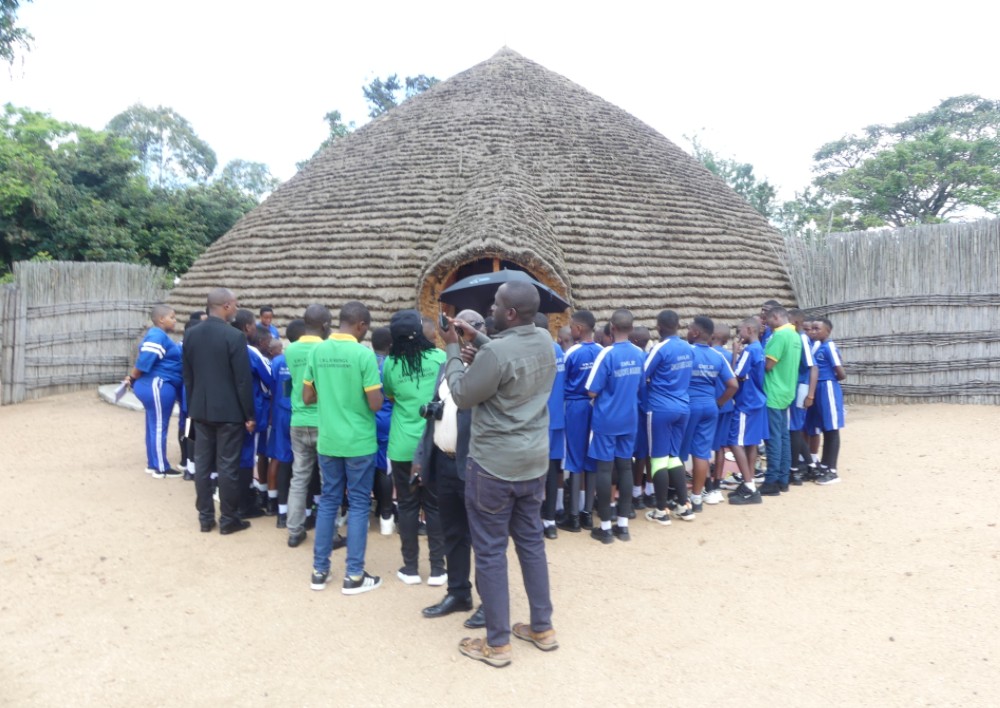
As part of its annual academic program, Child Care Academy, a school under the Free Methodist Church of Rwanda in Kinyaga conference, organized an educational tour for its primary six pupils to three national museums, giving them a rare opportunity to experience firsthand what they had previously only studied in class.
The tour brought together 102 finalists who visited key heritage sites across the country. Both students and teachers emphasized the value of the trip, noting that it deepens understanding of Rwanda’s culture and history, while the Rwanda cultural heritage academy (RCHA) commends such initiatives and encourages other schools to adopt similar programs.
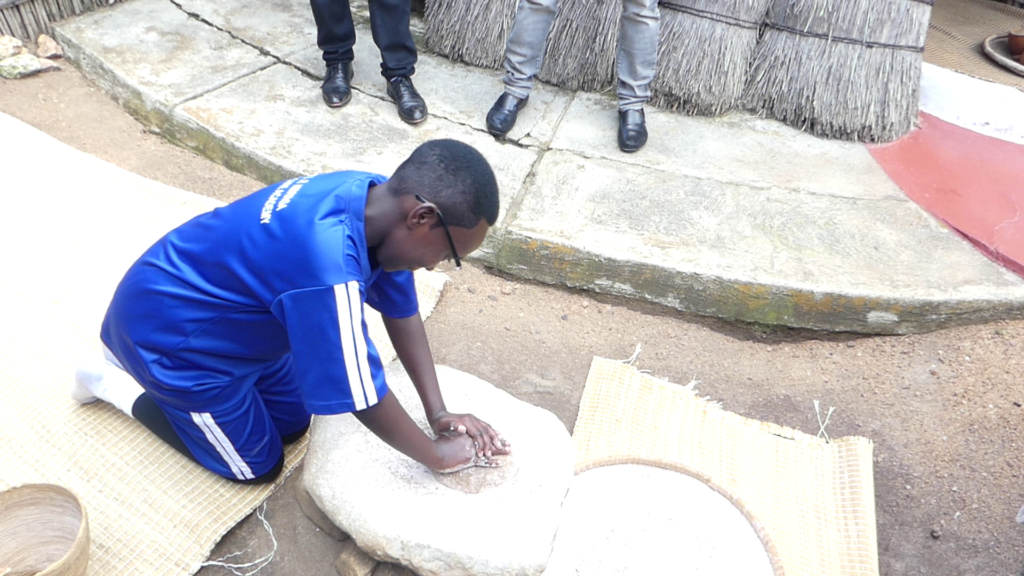
The journey began at the ethnographic museum in Huye, where students explored traditional artifacts that illustrate the lifestyle of pre-colonial Rwanda. For many, it was their first time seeing these items in real life.
“I had only heard about tools like umuvure, ingobyi , and imizinga,” said Ganza Beauté Brice. “Seeing them with my own eyes today was truly exciting.”
Another student, Bobeza Turiya Natasha, shared similar sentiments:
“I had learned about traditional hoes in class, but i had never seen them. Today i finally did, it felt almost unreal, like i was dreaming, because i only knew them from books.”
The tour then proceeded to King’s palace museum in Nyanza, where learners visited the traditional royal residence, including the palace once inhabited by King Mutara III Rudahigwa, and observed the iconic royal cows known as inyambo.
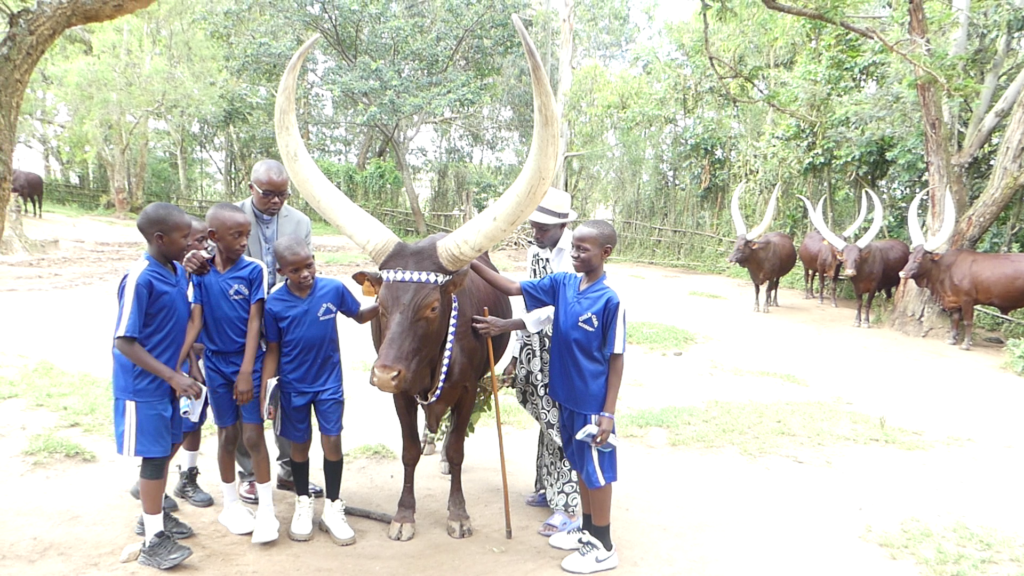
“I had seen pictures of inyambo cows before, but this was my first time seeing them in real life,” said Niyomahoro Hope Florence. “It’s something i had always dreamed of.”
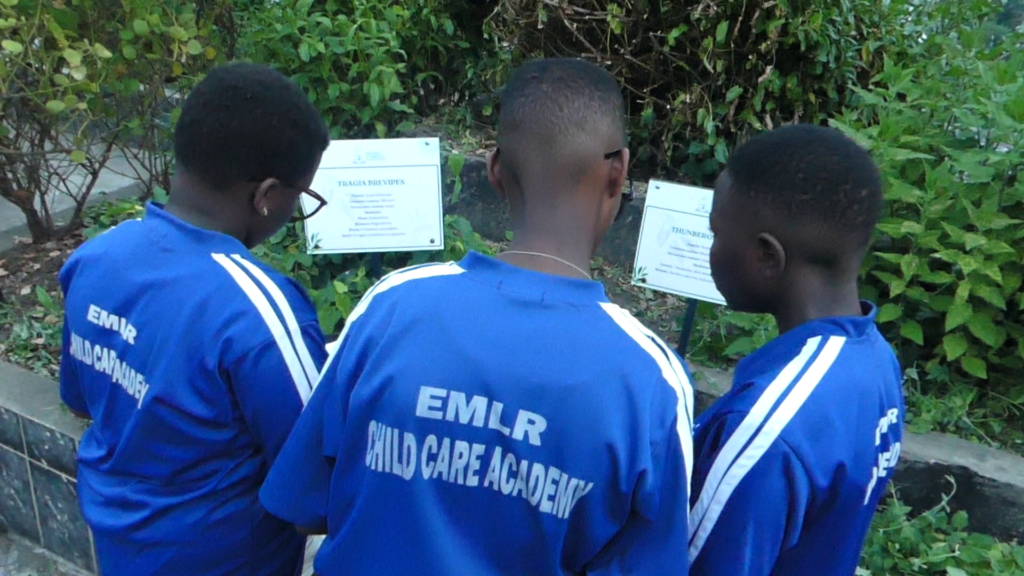
The final stop was the environment museum in Karongi, where students learned about medicinal plants used in traditional healing.
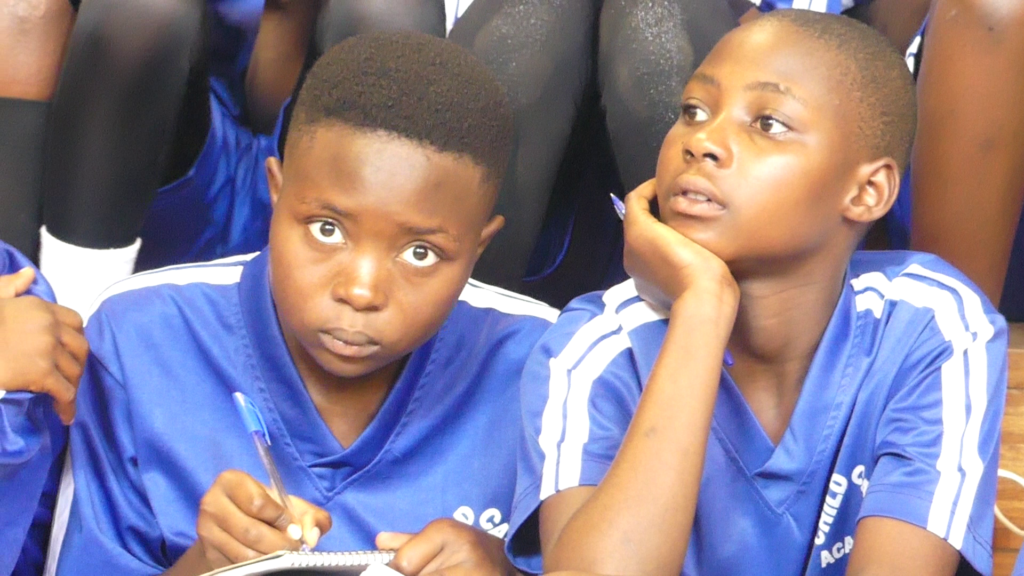
Throughout the trip, students took notes on various aspects of Rwanda’s history and culture. They expressed confidence that the experience would enhance both their understanding and academic performance.
“These are things we are tested on,” noted Hahirwa Yanis Clovis. “Now that i’ve seen them, i won’t just memorize, I will truly understand.”
Teachers also highlighted the educational impact of such field visits. Bizabishaka Valens, a Science and Elementary Technology teacher, explained that practical exposure significantly improves comprehension.
“What a student sees with their own eyes is retained at a much higher level than what they only hear about,” he said.
The school’s head and Kinyaga Conference Superintendent, Rev. Pastor Hakizimana Felicien, noted that educational tours are carefully planned at the beginning of each academic year in collaboration with parents.
“This program helps learners gain a deeper understanding of their lessons. It contributes greatly to their academic success, and our school consistently ranks among the top performers in national examinations partly because of such initiatives,” he said.
The Rwanda Cultural Heritage Academy praised the school’s efforts, emphasizing the importance of exposing young learners to cultural heritage at an early age.
Speaking on behalf of the institution, Director General Robert Masozera said:
“We commend schools that prioritize visits to national museums. It is an important step in nurturing children to understand and value their cultural identity. Learning should not be confined to classrooms. It must also involve exploration and real life experience.”
He added that RCHA has introduced measures such as reduced entrance fees to encourage more schools to participate in educational visits.
For over a decade, Child Care Academy has organized such study tours, a practice the administration credits as a key factor behind its strong academic performance in national examinations.