Residents of Nkombo Island in Rusizi District have been urged to remain vigilant against human trafficking, as the island’s location along Lake Kivu makes it a potential transit point for illegal cross-border activities.
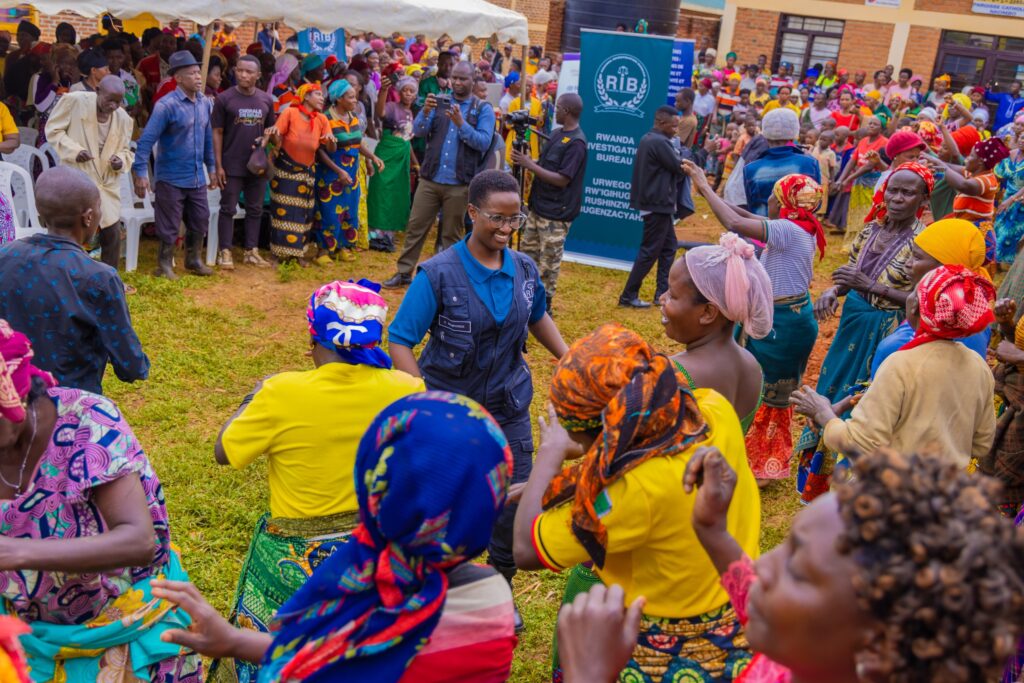
The call was made during an ongoing awareness campaign organized by the Rwanda Investigation Bureau (RIB) in partnership with the International Organization for Migration (IOM) and the Embassy of Japan in Rwanda. The campaign aims to educate communities about the dangers, tactics, and consequences associated with human trafficking.
Nkombo Island, located in Lake Kivu and close to the border with the Democratic Republic of Congo (DRC), serves as a crossing point for many people travelling between the two countries. Authorities warn that such movements can be exploited by traffickers.
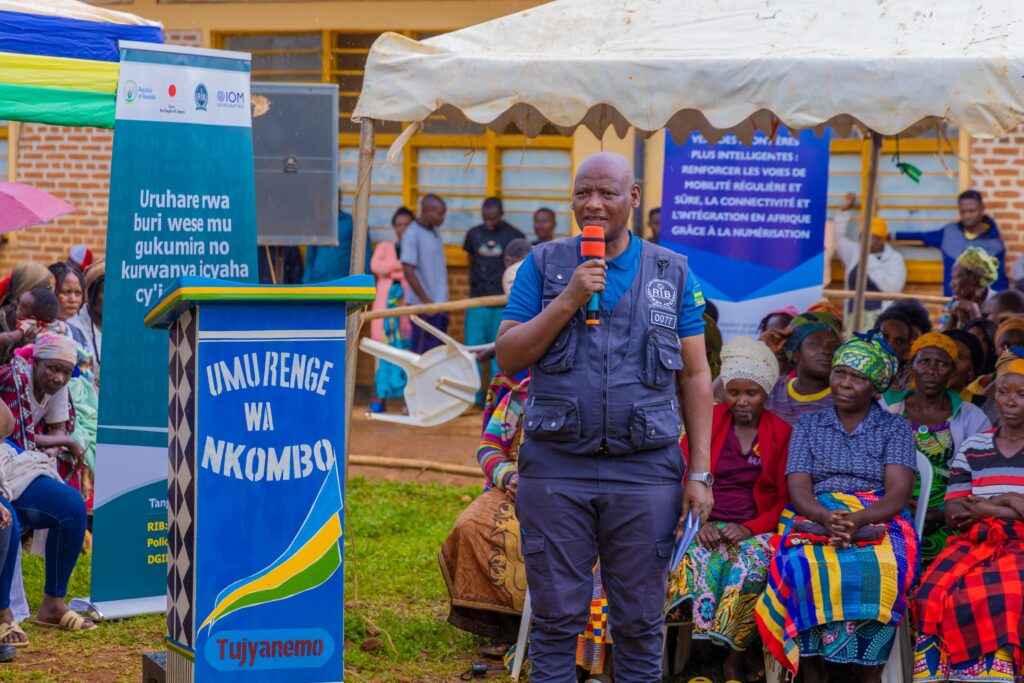
Speaking to residents, Rusizi district police commander SSP Gaston Karagire explained that the island’s geographical setting and the livelihoods of many residents largely dependent on lake based activities, can inadvertently expose them to trafficking networks.
“Many people who want to cross to the DRC or Burundi pass through here,” Karagire said. “Often, the person facilitating the crossing is a resident of Nkombo. In some cases, those transporting people may not even know the real intentions of those who hired them; they may simply be doing it for payment. But without realizing it, they could become part of a human trafficking chain.”
Nkombo Sector is among five sectors where RIB and its partners have spent the past week conducting community sensitization activities on preventing and combating human trafficking. Some residents admitted that they were previously unaware that such crimes could occur.
Valencie Nyirabazungu, a resident of Kamagimbo Cell, said the campaign was the first time she had heard that people could be trafficked and taken to places unknown to them.
“Today i learned that people can actually be trafficked, and we even heard testimony from someone who experienced it,” she said. “We will now warn our children to be careful of people who promise them jobs, because we have learned that some of those offers are traps.”
Jean Claude Ntirenganya, an officer in charge of crime prevention at RIB, who educated the residents about that crime, emphasized the importance of vigilance, particularly for those working in water transport.
“There are many different movements on these waters, people entering, leaving, and others assisting with transport,” he said. “Those who operate boats may unknowingly encounter criminal networks. We already have cases where young people from here were taken to neighboring countries with promises of better job opportunities, only to find themselves exploited.”
RIB officials stressed that all activities linked to human trafficking including transporting victims, facilitating their movement, or providing shelter constitute criminal offenses punishable under Rwandan law.
Under the law, anyone convicted of trafficking a person across a border faces a prison sentence ranging from 20 to 25 years, in addition to a fine of between 20 and 25 million Rwandan francs.